Latest

Official launch and unveiling of the International Media and Information Literacy Institute (IMILI) — Photo by Phyllis Lilien

media and info literacy

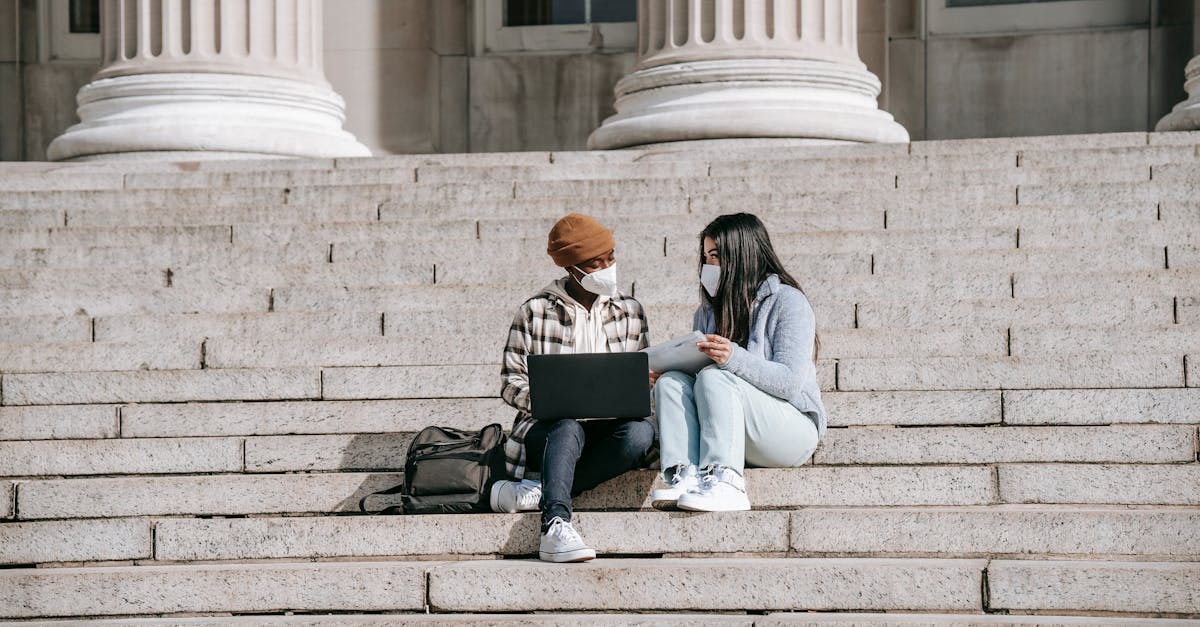
Why Media Literacy and Information Literacy Are the New Lifelines for First-Generation Immigrants - Because The IMILI Launch Shows Their Power

60% of first-generation immigrants report feeling overwhelmed by misinformation, and media literacy and information literacy are essential lifelines because they give newcomers tools to sort truth from falsehood and reclaim control over the stories they encounter. Media Literacy Facts About Immigrant Communities I first encountered the urgency of this issue

Nigeria to launch International Media and Information Literacy — Photo by Fortune  Comfort on Pexels

media and info literacy

7 Ways Media Literacy and Information Literacy Undermine Traditional STEM Teaching in Nigeria

Nigeria’s 341 million-strong population is now being taught media-literacy alongside STEM, reshaping university coding courses and challenging traditional teaching models. In my experience, this shift forces educators to rethink lecture-driven curricula and prioritize real-world data evaluation. (Wikipedia) media literacy curriculum Nigeria: reshaping STEM content for a data-driven future I

Nigeria to launch International Media and Information Literacy — Photo by Tope J. Asokere on Pexels

media and info literacy

The Complete Guide to Designing a Media Literacy and Information Literacy Curriculum for Nigerian Primary Schools

Designing a media and information literacy curriculum for Nigerian primary schools means adapting UNESCO’s global framework to local realities, defining age-appropriate skills, and creating teacher-ready lesson plans that can be rolled out across classrooms. I have worked with educators in Lagos and Abuja to translate these standards into practical

Strengthening community radios to advance Media and Information Literacy across Latin America and the Caribbean — Photo by Br

media and info literacy

From 250% Reach to 4-Year Sustainability: How Hybrid Funding Transformed Media Literacy and Information Literacy Across Latin American Community Radios

Community radio stations in Latin America have measurably raised media-literacy skills through structured programming, hybrid funding, and collaborative workshops. By weaving fact-checking drills into everyday broadcasts, these stations turn passive listeners into active analysts of news. The impact shows up in listener surveys, revenue growth, and even civic participation across

Strengthening community radios to advance Media and Information Literacy across Latin America and the Caribbean — Photo by Bo

media and info literacy

Media Literacy and Information Literacy Reviewed: How Community Radios Can Become Trusted Fact‑Checking Hubs

How Community Radios Can Transform into Trusted Fact-Checking Hubs Over 60% of election reports broadcast on Latin American community radios come from unverified online sources, so stations can become trusted fact-checking hubs by adopting structured training, digital tools, and community partnerships. I have spent years guiding small broadcasters in Brazil